


Swedish automaker Volvo Cars has announced it will lay off around 3,000 employees globally as part of a sweeping cost-reduction plan aimed at strengthening its financial position amid industry-wide challenges.
The initiative, dubbed the "cost and cash action plan," is valued at approximately 18 billion Swedish kronor (about $1.9 billion) and seeks to streamline operations by building a leaner organization with a structurally lower cost base. The job cuts represent around 7% of Volvo’s total workforce of 43,800 employees, more than half of whom are based in Sweden.
The move includes the elimination of approximately 1,000 consultant roles and 1,200 staff positions within Volvo's Swedish operations (Volvo Personvagnar AB). Most of the affected roles are office-based, with further details on global reductions expected after a broader organizational review. The company aims to complete these changes by autumn 2025.
“These structural changes are necessary to ensure we can continue to grow profitably in the long term,” said Volvo Cars CEO Håkan Samuelsson. “While these decisions are difficult, they are critical to improving our cash flow and lowering costs.”
The announcement follows a sharp drop in Volvo’s first-quarter performance. The automaker, owned by China’s Geely Holding, reported an operating profit of 1.9 billion kronor—less than half of the 4.7 billion kronor it earned during the same period in 2024. Revenue also declined to 82.9 billion kronor from 93.9 billion kronor year-on-year, while the EBIT margin shrank to 2.3% from 5%.
The company attributed the poor results to a combination of planned production slowdowns in late 2024 to manage inventory, unfavorable exchange rates, and broader industry headwinds. In response, Volvo also withdrew its financial guidance for 2025 and 2026, citing market volatility and growing pressure from international tariffs.
Volvo said it has started consultations with labor unions and formally notified Sweden’s Public Employment Service (Arbetsförmedlingen) regarding the upcoming redundancies. The company expects to incur a one-time restructuring charge of up to 1.5 billion kronor, which will impact its Q2 2025 results and extend into later quarters.
“These are challenging times for the automotive sector,” said Samuelsson. “We must adapt to ensure Volvo Cars remains resilient and competitive for the future.”
The Rise of Proton Exchange Membrane Fuel Cells — And the Growing Need for Control System Experts in China

As nations intensify efforts to combat climate change, the global spotlight is increasingly focused on hydrogen as a clean energy carrier — and Proton Exchange Membrane (PEM) fuel cells are emerging as a leading technology in this transition. With high energy efficiency, scalability, and zero emissions at the point of use, PEM fuel cells are seeing growing adoption across transportation, industrial, and energy sectors.
In particular, China is becoming a major hub for PEM fuel cell development, creating an urgent and rapidly expanding demand for specialized talent — especially Fuel Cell Control Experts.
What Are PEM Fuel Cells and Why Do They Matter?
Proton Exchange Membrane (also called Polymer Electrolyte Membrane) fuel cells generate electricity through an electrochemical reaction between hydrogen and oxygen, producing only water and heat as byproducts. Unlike combustion engines, PEM fuel cells operate silently, emit no pollutants, and offer a fast response to load changes, making them ideal for mobile and distributed energy applications.
They are especially suitable for:
Fuel cell vehicles (FCVs) — buses, trucks, and cars
Backup and off-grid power systems
Material handling equipment like forklifts
Portable and military power solutions
Why the Sector Is Booming
1. China’s Hydrogen Push
China has made hydrogen a strategic priority in its national energy strategy. Cities and provinces are rolling out ambitious hydrogen roadmaps, aiming to build thousands of hydrogen refueling stations and put tens of thousands of FCVs on the road by 2030.
This aligns with China’s dual goals of reducing urban air pollution and achieving carbon neutrality by 2060.
2. Government Incentives and Industrial Policy
Generous government subsidies, infrastructure investment, and joint ventures between domestic firms and global fuel cell companies have accelerated technology deployment and commercial adoption.
3. Decentralized Energy Systems
PEM fuel cells are being adopted beyond transportation, including in telecom towers, residential buildings, and emergency backup systems — all of which benefit from clean, quiet, and reliable energy.
The Critical Need for Fuel Cell Control Expertise
As PEM fuel cell systems become more widespread and complex, their performance, safety, and reliability hinge on advanced control systems.
Fuel Cell Control Experts are vital in the following ways:
System Optimization: They design and fine-tune the balance of plant (BoP) — including air supply, cooling, and hydrogen management.
Safety Management: They implement fault detection, thermal control, and pressure regulation to prevent system failure.
Software & Embedded Systems: Experts develop real-time control algorithms and integrate software with the fuel cell stack, vehicle systems, or grid interfaces.
Diagnostics & Prognostics: Predictive maintenance and degradation modeling are crucial for system longevity and commercial viability.
As systems scale from lab prototypes to mass-market deployment, the sophistication of control architecture becomes a make-or-break factor.
Talent Gap and Industry Implications
Despite the urgency, there is a global shortage of professionals with deep experience in PEM fuel cell control — particularly in China, where demand has outpaced local training and expertise development. Many companies are:
Expanding internal training programs
Partnering with universities and research institutes
Recruiting internationally to fill knowledge gaps
The pressure to commercialize fuel cell vehicles and infrastructure within tight policy timelines is intensifying the need for skilled engineers, especially those with cross-disciplinary knowledge in electrochemistry, control systems, embedded hardware, and software integration.
What’s Next?
As the energy transition accelerates, PEM fuel cell control experts are becoming indispensable across industries. Their work not only ensures system safety and efficiency but also enables scalability — which is critical for widespread adoption.
In the coming years, we can expect:
Increased international collaboration to address talent shortages
Growing investment in education and upskilling programs
More career opportunities in hydrogen hubs like China, Germany, Japan, and the U.S.
Proton Exchange Membrane fuel cells are no longer emerging tech — they’re becoming a core component of the clean energy landscape. As China and other major economies push forward with hydrogen infrastructure and fuel cell vehicle deployment, the demand for control system expertise will only intensify.
For engineers, researchers, and technologists, now is the time to engage. The future of clean energy will be shaped not only by chemistry and hardware — but by the software and control systems that make PEM fuel cells run safely, efficiently, and at scale.
If you are a specialist in this field and looking to make a meaningful impact in the next phase of clean energy innovation, we invite you to explore current opportunities. Submit your CV for active roles in this sector at: https://www.icautochina.com/job-search/22-fuel-cell-sealing-expert-contract-job-china/senior-engineering-expat-contracts/baoding/job
R&D ENGINEERS WITH DOCTORAL DEGREES IN CHINA: DRIVING INNOVATION AND TECHNOLOGICAL LEADERSHIP

China is accelerating its emergence as a global technological powerhouse, largely driven by an ambitious surge in research and development (R&D) capacity. At the heart of this transformation is a rapidly expanding class of STEM PhD holders, many of whom are shaping the future of automotive innovation and other advanced industries.
While China’s progress inspires admiration, it also raises questions among international observers — particularly in the United States — about the implications for global technological leadership, economic security, and national competitiveness.
A Surge in STEM PhDs: Quantity with Rising Quality
According to a 2021 report by Georgetown University’s Center for Security and Emerging Technology (CSET), China is expected to produce over 77,000 STEM PhDs annually by 2025, nearly twice the number of the U.S., and more than triple when excluding U.S. international students. This rapid expansion is the product of deliberate national strategy: since the early 2000s, China has opened over 1,300 new PhD programs and nearly doubled its higher education budget between 2012 and 2021.
Although skeptics argue that "more" does not always mean "better," the quality of Chinese doctoral education is also on the rise, particularly within its top-tier “Double First Class” universities. These institutions now produce nearly half of the country’s PhDs and are key to China’s global research contributions, particularly in AI, materials science, and engineering.
The Automotive Sector: A National Priority
R&D engineers with doctoral degrees are in exceptionally high demand in China’s automotive sector, which is undergoing a massive transformation fueled by government policy and market pressure. Areas of urgent recruitment include:
Autonomous Driving & AI Models
Electric Drive & Battery Management Systems
Intelligent Cockpits & Infotainment
Crash Analysis, EE System Engineering
Hydrogen Fuel Cell and Advanced Lighting
These engineers are not just developing technologies — they are leading them. PhD holders often serve as principal investigators, system architects, and innovation leaders, translating cutting-edge science into commercial products for OEMs and Tier 1 suppliers.
Exceptional Incentives and Global Opportunities
To attract global experts, Chinese companies and research parks are offering one- to five-year contracts, full relocation support, and salaries well above global averages, particularly for those with OEM or Tier 1 experience. The financial packages often include housing, healthcare, education for children, and bonuses tied to project success.
For foreign STEM PhDs, China represents both opportunity and challenge — a dynamic environment where R&D teams are large, well-funded, and increasingly competitive. Many roles are open to international candidates, especially in innovation hubs like Shanghai, Shenzhen, Guangzhou, and Wuhan.
A Talent Race with Global Consequences
As Yojana Sharma noted in University World News, the U.S. is now reassessing its position in the global "war for talent." Historically, U.S. dominance in research has relied on its ability to attract and retain foreign PhD talent, especially from Asia. But with rising concerns over immigration policy, national security, and foreign student restrictions, that edge may be eroding.
Meanwhile, China’s self-sufficiency strategy continues to bear fruit. The majority of Chinese STEM PhDs are domestic nationals trained at home, many of whom now choose to stay and work in China rather than seek opportunities abroad. With the number of top-tier Chinese PhDs rising — especially in engineering and AI — the foundation for long-term innovation leadership is being laid.
Conclusion: Talent Is the True Technology
While the U.S.–China rivalry in technology often centers on hardware or patents, the real race is for human capital — the minds capable of building the future. PhD-level R&D engineers are the vanguard of this movement. In China, they are empowered with resources, respected as thought leaders, and tasked with executing one of the most ambitious national innovation agendas in modern history.
For the world, this signals a shift. For R&D professionals, it presents a unique window of opportunity. If you are a doctorate-level engineer with expertise in cutting-edge automotive technologies and are ready to take your career to the next level in China, we invite you to apply by submitting your CV to our current job offerings: https://www.icautochina.com/job-search/19-doctoral-contract-jobs-china-250k-350k-pa/technical-rd-consultant/shanghai/job

With global EV demand slowing and Germany’s economy weakening, Hungary’s automotive sector is under growing pressure. Recent tariffs on European-made vehicles by the U.S. have only worsened the outlook. Amid this uncertainty, Hungary is turning to the defense sector as a potential growth engine, hoping to tap into the surge in military spending across Europe.
As the European Union prepares to dramatically increase defense investment, Hungary sees an opportunity to align its automotive capabilities with emerging defense needs. Military spending is set to rise significantly, and with longstanding ties between automotive manufacturing and military technology, the door is opening for suppliers to shift focus.
While Hungary’s defense industry had been largely neglected for decades, recent increases in military expenditure have signaled a change in direction. The challenge now is how quickly and effectively automotive suppliers can adapt to meet the stringent demands of the defense sector, which has higher technological and regulatory entry barriers.
There is a growing belief that many suppliers already have the technical capacity to pivot. Defense and civilian technologies have long overlapped, and the automotive sector’s expertise in advanced manufacturing, electronics, and systems integration could prove highly transferable. Though traditionally driven by military needs, today it’s the civilian sector leading innovation, and suppliers are expected to bring that adaptability into defense.
The shift won't be without obstacles. Entering the defense market involves strict due diligence, long development cycles, and the need for proven reliability. Many in the industry see the creation of collaborative ecosystems—focused on innovation, quality, and interoperability—as the key to unlocking this transition. Dual-use technologies that serve both military and civilian purposes are gaining traction, and suppliers capable of bridging both worlds stand to benefit.
At the same time, companies are being encouraged to focus on niche areas where they can deliver immediate value. While long-term R&D has its place, shorter-term, high-impact contributions are more viable in today’s uncertain financial environment.
Alongside the defense pivot, electrification continues to offer promise. Despite a cooling in global EV enthusiasm, battery production remains a high-growth sector, driven by demand not only from cars but also from consumer electronics and industrial applications. Hungary is emerging as a key player, with major battery investments and EV production facilities from leading automakers already underway.
The success of this transformation depends heavily on building stronger supplier relationships and integrating into international value chains. Local firms must demonstrate flexibility, reliability, and high-quality output to remain competitive. Continuous collaboration, particularly with global partners, is crucial—not just in signing deals but in maintaining long-term engagement.
With both defense and electrification on the rise, Hungary’s automotive industry faces a rare opportunity to reposition itself. The future will favor those who move quickly, innovate strategically, and adapt to a new industrial landscape that blends civil and military technologies.
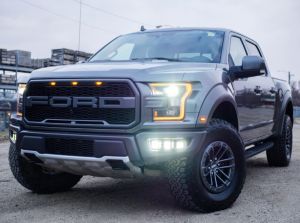
General Motors (GM.N) withdrew its 2025 financial forecast on Tuesday, pointing to the unpredictable impact of President Donald Trump’s global trade war, despite reporting strong first-quarter earnings.
In an unusual step, GM postponed its investor call to Thursday, allowing time to better evaluate the latest developments in U.S. tariff policy. Meanwhile, GM shares dropped around 2.6% in premarket trading.
Earlier this year, GM had predicted net income between $11.2 billion and $12.5 billion for 2025 — but this estimate did not account for the effects of new tariffs. Trump's unpredictable approach to trade has injected major uncertainty into the automotive sector, with analysts warning that new car prices could climb by several thousand dollars.
Chief Financial Officer Paul Jacobson emphasized that tariffs could have a major financial impact and advised investors not to rely on previous projections. He said the company would update its guidance once there is a clearer understanding of how tariffs will unfold.
Jacobson also noted that GM's expenses were already up by $400 million compared to the prior year, though he stressed that the underlying business remains healthy. He explained that the company’s first-quarter performance took a hit from fewer deliveries of its highly profitable full-size trucks and SUVs, largely due to temporary factory shutdowns for upgrades and a supplier fire in January.
Because of the economic uncertainty, GM announced it is putting its share buyback program on hold. The automaker had previously committed to buying back $2 billion in shares by mid-2025, but now plans to wait for greater stability before proceeding.
According to CFRA Research analyst Garrett Nelson, any positive news regarding tariff changes could help limit the company's potential losses.
Despite the challenges, GM posted a 2.3% rise in revenue, reaching $44 billion — beating analysts' expectations of $43 billion. Adjusted earnings per share came in at $2.78, slightly above estimates of $2.74. However, net income fell by 6.6% to $2.8 billion.
A surge in customer demand helped bolster results, as buyers hurried to purchase vehicles ahead of anticipated price increases. Research from the Center for Automotive Research estimates that Trump’s new 25% auto tariffs could add roughly $108 billion in extra costs for U.S. automakers this year.
In a partial concession, the Trump administration announced on Tuesday that it would soften some of the tariffs, easing levies on certain foreign auto parts used in U.S.-manufactured vehicles and avoiding cumulative tariffs on imported cars.
Many major corporations, not just automakers, have retracted their yearly earnings guidance due to the volatility triggered by tariffs. Consumer confidence has also weakened noticeably since February, when Trump intensified his threats of broader tariffs. Last week, Tesla also chose not to provide guidance, saying it would revisit the issue after its next earnings report.
GM’s international business showed some signs of improvement. In China, where GM is restructuring its operations, equity income rose to $45 million for the quarter — a sharp recovery from a $106 million loss in the same period last year.
The company's U.S. operations also performed strongly, with first-quarter auto sales rising about 17%, fueled in part by heightened demand for trucks. Analysts noted that customers rushed to make purchases in March before prices could surge further. Ford (F.N) and Stellantis (STLAM.MI), the maker of Ram trucks and Jeeps, also saw benefits, offering deeper discounts to capitalize on the buying spree.
Jacobson suggested that much of the industry’s strong March sales likely came from customers advancing their purchases ahead of potential price increases, and noted that this momentum has carried into April, with GM's U.S. deliveries jumping more than 20% compared to a year ago.
To meet this rising demand, GM has increased truck production at its Indiana plant, according to a Reuters report. The company plans to outline additional strategies to offset the tariffs during Thursday’s analyst call.
Jacobson added that GM has not yet made major strategic shifts in response to the tariffs but is concentrating on implementing fast, low-cost, and efficient measures until there’s more certainty.
Financial analysts are already adjusting their expectations. Barclays, for example, recently slashed its forecast for GM’s 2025 earnings before interest and taxes by 40%, factoring in lower sales volumes and an estimated $9.5 billion direct hit from tariffs. Roughly half of the vehicles GM sells in the U.S. are produced outside the country, making the automaker particularly vulnerable.
GM’s stock has dropped 12% so far this year, lagging behind Ford, which has gained about 3% in 2025.
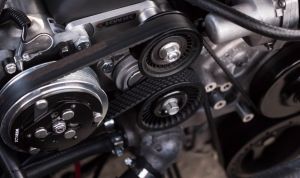
ZF Hungary, a subsidiary of the German automotive supplier ZF, has announced plans to cut 110 jobs at its Hungarian facility. The decision comes in response to the downturn in the European automotive sector and declining orders. This restructuring aligns with ZF’s broader strategy, as its German parent company aims to reduce its workforce by 20%—amounting to 11,000 job cuts—by 2028 due to the challenges posed by the shift to electric vehicles (EVs).
Despite Hungary's heavy reliance on the German market, the country’s major automotive manufacturers have so far been largely unaffected by the slowdown. However, suppliers have experienced a gradual but consistent reduction in jobs, mainly affecting temporary and contracted workers. Industry experts warn that further job losses may be inevitable if demand does not recover in the coming years.
The job cuts at ZF Hungary represent a significant shift, marking the first major reduction at a Tier 1 supplier directly linked to Germany’s automotive sector slowdown, according to economic news portal G7.hu. This signals potential difficulties ahead for Hungary’s broader automotive supply chain, which heavily depends on Germany’s vehicle production trends.
Just 15 months prior, ZF Hungary announced a HUF 24 billion (€60 million) investment to produce shock absorbers and rear axles for EVs. These components were set to be manufactured from 2025 at BMW’s plant in Debrecen and Mercedes’ factory in Kecskemét. However, with the current downturn, there are concerns about whether projected production levels will be maintained as planned.
Recent production data highlights a 13.5% year-on-year decline in automotive industry output in November, with an overall drop of 8% between January and November. Despite this downturn, Hungary’s automotive industry has maintained consistent growth over the past decade, often posting double-digit annual increases. The sector’s total production value reached HUF 13 trillion (€32.3 billion) at the end of 2023, accounting for 18% of the country’s GDP.
Hungary’s manufacturing sector has demonstrated resilience, weathering the 2022 energy crisis and the subsequent recession. Data from the Central Statistical Office (KSH) indicates that employment in the sector remained stable up to September 2024, with a slight increase compared to the beginning of the year. However, analysts caution that prolonged difficulties in the German market could lead to broader employment challenges in Hungary’s automotive sector.
Labour market conditions have eased, as the number of unfilled positions dropped from 17,000 to 13,000 in the 12 months leading to Q3 2024. While this suggests a temporary stabilization, concerns persist about the potential for further workforce reductions if the industry fails to regain momentum.
According to a report by Eurofound, Hungary ranks among the EU nations with the highest proportion of automotive industry jobs, behind only Slovakia, the Czech Republic, and Romania. This heavy reliance on the sector underscores the importance of maintaining stability and competitiveness in an increasingly uncertain European market.
With ongoing transformations in the global automotive industry, including the transition to electric mobility and evolving consumer demand, Hungary’s suppliers must navigate an increasingly complex landscape. Industry stakeholders emphasize the need for strategic investments, innovation, and diversification to mitigate the risks posed by external market fluctuations.

Swedish EV battery maker Northvolt has agreed to sell its stake in Novo Energy, its joint venture with Volvo Cars, as part of a broader effort to streamline operations and explore new opportunities in North America. The financial terms of the deal remain undisclosed, and the transaction is subject to approval by a U.S. bankruptcy court.
Northvolt’s Strategic Shift Amid Financial Challenges
Northvolt, which has been under U.S. bankruptcy protection, halted funding for most of its joint ventures in 2024 to sustain its core battery cell production business. This decision led Volvo to declare Northvolt in breach of contract in October, prompting the automaker to acquire full control of Novo Energy.
The deal marks another step in Northvolt’s cost-cutting strategy, which has included divesting projects in Poland and Norway to prioritize its main battery plant in northern Sweden. Despite its ambitions to build gigafactories in Germany and Canada, the company has faced delays and funding challenges. With its cash reserves expected to run dry in February, Northvolt is actively seeking new investors.
Formed in 2021, Novo Energy was envisioned as Europe’s best hope for a domestic EV battery powerhouse, with plans to build a dedicated battery factory in Gothenburg, Sweden. However, amid financial difficulties, Volvo announced in October that it would need a new partner to keep the factory’s 2026 production start on track. The automaker has not provided further updates on its search.
In January, Novo implemented cost-cutting measures, including a 30% reduction in staff. Despite the changes, a Novo spokesperson acknowledged Northvolt’s vital role in the venture’s progress:
“Northvolt’s expertise has been instrumental in Novo’s development. Moving forward, we will work with Volvo Cars to evaluate a future technological partner for our gigafactory,” the spokesperson said.
Northvolt Eyes North American Market Amid Quality Concerns
Northvolt has struggled with production challenges and quality issues, leading BMW to cancel a €2 billion ($2.08 billion) contract in 2023. These setbacks have raised concerns among investors about Northvolt’s ability to fulfill its commitments.
While Volvo’s acquisition of Novo means Northvolt will lose future battery orders from the automaker, the companies have agreed to explore supply opportunities in North America.
“The framework agreement with Volvo Cars underscores continued market interest in Northvolt. This opens up new possibilities for supply at our upcoming Northvolt Six facility in Montreal,” a Northvolt spokesperson stated.
As Northvolt shifts its focus beyond Europe, its next steps will determine whether it can overcome financial struggles and regain momentum in the global EV battery race.

BMW is ushering in a new era of electrification with its Neue Klasse platform, starting with the pre-production of an electric SUV that will replace the iX3. The manufacturing process has commenced at the company’s newly constructed plant in Debrecen, Hungary. Full-scale production is slated to begin in late 2025, marking a pivotal step for the automaker as it transitions to increasingly electrified vehicles.
The Neue Klasse Platform: A Defining Moment
The Neue Klasse moniker, originally used in the 1960s for a series of transformative models that redefined BMW’s image, has been revived to signal a similar turning point. This new platform is designed to replace BMW’s CLAR architecture, which underpins a broad range of models, from the 2 Series to the flagship X7. While CLAR-based vehicles will remain in production until the end of the decade, Neue Klasse will gradually take over as the backbone of BMW’s lineup.
The new platform is expected to offer modularity and flexibility, though questions remain about whether it will exclusively support electric vehicles (EVs). BMW may be hedging its bets by designing the platform to accommodate range-extender EVs, a nod to its expertise with models like the i3 Rex.
Expansion of Global Production
The Debrecen facility represents BMW’s commitment to scaling up Neue Klasse production globally. Pre-production vehicles, codenamed NA5, are already being assembled at the plant. The first customer-ready units are expected to roll off the production line in late 2025. This electric SUV will also be produced in other facilities, including BMW’s expanded plant in Mexico, which currently builds the CLAR-based 3 Series. Production in Mexico will begin in 2027, two years after the Hungarian facility starts delivering customer vehicles.
The company's $800 million investment in its Mexican plant underscores the strategic importance of this global rollout. Additional Neue Klasse models are expected to follow, further integrating the platform into BMW’s global manufacturing strategy.
The Electric SUV: A Glimpse at the Future
Leaked patent drawings published by Autoweek provide a glimpse of the design for the upcoming SUV. The vehicle retains a resemblance to the futuristic Vision Neue Klasse X concept but adopts a more practical and subdued design for production. This SUV exemplifies BMW’s approach to blending innovation with market-ready features as it seeks to capture the growing EV market.
Challenges in the Path to Electrification
While BMW has set ambitious targets for electrification, the journey hasn’t been without challenges. Last year, the company expressed confidence in achieving 50% EV sales well before its 2030 deadline. However, with EV adoption slower than anticipated in many markets outside of China, that goal now appears more uncertain.
Despite these hurdles, BMW remains committed to electrification, with the Neue Klasse platform serving as a cornerstone of its strategy. The automaker’s balanced approach includes continuing to develop combustion engine models alongside its EV lineup. Spy photos of the next-generation 3 Series, codenamed G50, reveal a combustion engine variant built on an updated CLAR platform, set to debut in 2027. This model will be sold alongside the all-electric i3, derived from the Vision Neue Klasse concept.
A Gradual Transition to the Future
BMW’s transition to Neue Klasse architecture will be deliberate, ensuring continuity with its current lineup while paving the way for future innovations. The combination of global production expansion, flexible platform design, and the introduction of cutting-edge EVs positions the automaker to compete in a rapidly evolving market.
As BMW moves forward with the Neue Klasse platform, it is not just manufacturing new vehicles but redefining its vision for the future of mobility. With the Debrecen plant leading the charge, the next chapter of BMW’s electrification journey is well underway.
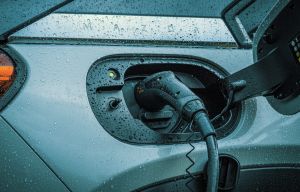
The financial collapse of Northvolt has delivered a significant setback to Europe’s efforts to establish a competitive electric vehicle (EV) battery industry. This has sparked discussions about whether the continent needs to take stronger action to attract investment, as European startups struggle to keep pace with dominant Chinese rivals.
Northvolt, long regarded as Europe’s leading hope for EV battery production, filed for U.S. Chapter 11 bankruptcy protection on Thursday after failing to secure additional funding from investors and creditors, including Volkswagen and Goldman Sachs.
A Painful Blow to Europe’s Battery Aspirations
Founded in 2016 with the ambitious motto “make oil history,” the Swedish company has raised over $10 billion in equity, debt, and public financing. Both Volkswagen and Goldman Sachs each own around 20% of its shares. Despite these resources, Northvolt announced on Friday that it needs $1.0-$1.2 billion in new funding to complete its restructuring process by the end of March.
In a bid to stabilize its finances, Northvolt recently downsized its operations and cut jobs. However, it has faced ongoing challenges, including producing high-quality batteries at scale and losing a €2 billion ($2.1 billion) contract with BMW in June.
These struggles cast doubt on Europe’s ability to build a robust domestic battery supply chain. Over the past decade, Northvolt led a wave of European startups investing tens of billions of dollars to support the region’s automakers as they transition from internal combustion engines to EVs.
Falling Behind Global Competitors
Despite these efforts, EV demand has grown more slowly than anticipated, while China has maintained a commanding lead in battery production. According to the International Energy Agency, China controls 85% of global battery cell manufacturing.
Battery production is a complex and delicate process, especially at scale. Northvolt’s difficulties in meeting its own targets and reducing production at its Swedish battery cell plant illustrate the challenges.
“Batteries are incredibly difficult to make, and Northvolt hasn’t met its customers’ supply demands—this is a management issue,” said Andy Palmer, founder of Palmer Automotive. “The Chinese are 10 years ahead of the West in battery technology. That’s a fact.”
Northvolt’s struggles are part of a broader trend. At least eight companies have delayed or canceled EV battery projects in Europe this year, including China’s Svolt and the ACC joint venture between Stellantis and Mercedes-Benz. Benchmark Minerals data indicates that Europe’s battery pipeline capacity for 2030 has dropped by 176 gigawatt-hours in 2024—nearly equivalent to the continent’s entire current installed capacity.
Calls for Strategic Rethinking
Some industry leaders argue that Europe needs to provide stronger support for domestic battery projects to compete with Chinese giants like CATL and BYD.
“Europe must rethink its approach to supporting the battery sector before China takes over the entire value chain,” said James Frith, European head of Volta Energy Technologies.
Northvolt’s $5.8 billion in debts include $313 million owed to the European Investment Bank (EIB). EIB Vice President Thomas Östros emphasized that the bank would protect its interests while monitoring the situation closely.
“Europe has a strategic interest in a domestic battery industry for electric cars, but it’s too early to predict the outcome,” he stated.
A Crossroads for Europe
Sweden’s government has ruled out taking a stake in Northvolt, but the company’s co-founder and outgoing CEO Peter Carlsson expressed concern about Europe losing its competitive edge.
“I’m a little worried Europe is giving up on its dream of competing with China,” Carlsson said. “We’ll regret this in 20 years if we retreat now.”
Carlsson acknowledged that the EV transition faces challenges, including uncertainty from automakers, policymakers, and investors. “It’s not a straight path,” he said. “We’re in a difficult phase where doubts and hesitations are slowing progress.”
As Northvolt fights for survival, the broader question remains: can Europe find the resolve to build its EV battery industry, or will it cede dominance to China?

Car enthusiasts from across the globe have gathered at Paris’ Porte de Versailles for a week of electric vehicle (EV) excitement, showcasing the most innovative concepts and models in the automotive world. This storied biennial event, which dates back to 1898, is renowned for spotlighting the latest breakthroughs in auto technology.
After the COVID-19 cancellation in 2020 and a scaled-back version in 2022, the 2024 show marks a robust comeback, featuring prominent automakers from Europe, the UK, Asia, and North America revealing their newest creations.
European Premieres: Showcasing Innovation
The show commenced with headline-worthy world premieres from Europe’s leading EV manufacturers. French automaker Renault introduced its 4 E-Tech Electric, an electric crossover SUV labeled a "voiture à vivre" or "car for living." This model boasts a generous 1,045-litre trunk capacity and is designed for versatile adventures.
Citroën, under the Stellantis group, unveiled four significant new models, signaling what it called “a new era.” This lineup includes updated versions of the C4 and C4X, as well as the new C5 Air Cross—an aerodynamic, multi-energy SUV tailored for family use. Citroën also revealed an upgraded version of its popular Ami microcar, with front and rear enhancements to emphasize its friendly and approachable design, ahead of its 2025 release.
From Germany, BMW impressed attendees with a revamped MINI John Cooper Works, now equipped with “go-kart mode,” delivering an extra 20-kilowatt boost for powerful acceleration and overtaking. The automaker also showcased its futuristic Neue Klasse electric vehicle, which features a windshield display that projects essential driving information and incorporates an AI assistant to enhance the driving experience.
AI-Powered Cars Steal the Spotlight
AI technology was at the forefront as Chinese automakers presented models with built-in intelligence designed to support and eventually surpass conventional driver assistance systems. Stellantis’ Leapmotor introduced the B10, a compact crossover SUV that integrates their proprietary "Leap 3.5 architecture." This platform supports advanced driver assistance, a high-tech digital cockpit, and intelligent driving features. Production for this model will take place in Poland, with an expected launch in 2025.
XPeng, another major Chinese player, revealed the P7+, which they call the world’s first “AI-defined” car. According to Xiaopeng He, chairman and CEO, the vehicle incorporates an advanced assistance system capable of making autonomous decisions, acting as a “companion or mobile butler.” The P7+ adapts to drivers’ individual habits and preferences, learning over time to offer a tailored driving experience. Its AI system is powered by XPeng’s in-house designed “Turing chip,” which is crucial for developing their bespoke AI models.
This push for AI integration follows French President Emmanuel Macron’s comments on the challenges faced by French and EU automakers due to stiff competition from China.
Beyond Cars: Unique Green Tech on Display
The Paris Motor Show didn’t limit itself to traditional EVs. Visitors were treated to a display of innovative green technology spanning various sectors. French manufacturers highlighted “license-free” electric microcars, which can be driven by individuals as young as 14 without a standard driver’s license. Renault’s Duo and Bento models, small two-seaters with a range of up to 161 km per charge, exemplified this trend.
The show also featured an impressive example of sustainable aviation with a 100% green electric plane, showcasing the future of eco-friendly transport beyond the road.
With this blend of groundbreaking EVs, AI-driven cars, and green innovations, the 2024 Paris Motor Show reestablished itself as a premier event for cutting-edge automotive technology.