


A major advancement in the partnership between Nvidia and Ansys was announced at CES 2024. Ansys' AVxcelerate sensors will now be integrated into Nvidia's Drive Sim simulator, based on the Omniverse platform dedicated to industrial digitization applications. Ansys, a company specializing in digital simulation solutions applied to various fields such as structural mechanics, fluid dynamics, thermal calculation, and electromagnetic analysis, will thus be able to use the simulation results from its sensors to validate and train advanced driver assistance systems (ADAS) for autonomous vehicles.
According to Ansys, integrating AVxcelerate sensors with Nvidia's Drive Sim platform will enhance high-definition, scalable 3D environments. Ansys' precise physical solvers for camera, lidar, and radar sensors will be utilized to generate scenarios in Drive Sim. This integration will provide users of Drive Sim with AVxcelerate Sensors licenses the opportunity to develop, train, test, and validate audiovisual perception systems, while reducing time and costs.
Furthermore, Nvidia emphasizes that integrating AVxcelerate sensor simulation results with Drive Sim provides greater flexibility for developers to work on their autonomous vehicle technology. Nvidia's Omniverse platform allows users to develop 3D workloads based on OpenUSD, an open-source framework developed by Pixar Animation Studios. This flexibility and modularity offered by OpenUSD enable developers to create scalable simulations and serve as a data factory for training artificial intelligence models, according to Ansys.
"Parliamentary Milestone: Germany Votes to Streamline Citizenship Procedures and Embrace Dual Nationality"

The German parliament has granted approval for legislation aimed at facilitating the acquisition of citizenship and removing restrictions on holding dual citizenship last friday. The proposal, advocated by Chancellor Olaf Scholz's center-left, socially liberal coalition, garnered a majority vote of 382-234, with 23 lawmakers abstaining. While the government contends that the move will enhance immigrant integration and attract skilled labor, the main center-right opposition criticizes it, asserting that it could devalue German citizenship.
The approved legislation reduces the residency requirement for citizenship eligibility from eight to five years, or three years in the case of "special integration accomplishments." German-born children automatically become citizens if one parent has been a legal resident for five years, down from the current eight years. Additionally, the law eliminates restrictions on dual citizenship, a departure from the existing requirement that individuals from countries outside the European Union and Switzerland relinquish their previous nationality upon gaining German citizenship.
The government notes that 14 percent of the population, over 12 million out of 84.4 million inhabitants, lacks German citizenship, with around 5.3 million having resided in Germany for at least a decade. Germany's naturalization rate is reportedly below the EU average. In 2022, 168,500 people were granted German citizenship, the highest figure since 2002, with a notable increase in Syrian citizens being naturalized.
Interior Minister Nancy Faeser emphasizes that the reform aligns Germany with European neighbors like France and aims to attract skilled workers. The legislation specifies that those seeking naturalization must be able to support themselves and their dependents, with exceptions for "guest workers" who came to West Germany before 1974 and those who arrived in communist East Germany to work.
The existing requirement for citizenship applicants to adhere to the "free democratic fundamental order" is retained, with the new version explicitly stating that antisemitic and racist acts are incompatible with this commitment. However, the conservative opposition argues that Germany is relaxing citizenship requirements at a time when other countries are tightening theirs, describing the legislation as a "citizenship devaluation bill."
The citizenship law overhaul is part of a broader series of social reforms agreed upon by Scholz's three-party coalition upon taking office in late 2021.

China has emerged as a formidable player in the global electric vehicle (EV) market, and the recent unveiling of Xiaomi Corp.'s first electric vehicle, the SU7, is a testament to the nation's ambitious strides in automotive innovation. Xiaomi's entry into the EV arena, targeting industry giants like Tesla Inc. and Porsche AG, signals a new chapter in the competitive landscape of China's burgeoning electric vehicle sector.
At a grand event hosted at the China National Convention Center, Xiaomi's co-founder and CEO, Lei Jun, proudly introduced the SU7, a five-seat sedan designed to rival luxury car brands. The SU7 boasts an impressive 800-kilometer range per charge, adjustable spoilers, a top speed of 265 kilometers per hour, and a unique array of colors. Xiaomi plans to collaborate with renowned Chinese battery manufacturers, Contemporary Amperex Technology Co. Ltd. and BYD Co., offering consumers single and dual motor configuration options.
Lei Jun's foray into the EV market is backed by a substantial $10 billion investment, aligning with Xiaomi's disruptive impact in the smartphone industry. The SU7, positioned alongside Porsche's Taycan Turbo and Tesla's Model S in terms of performance and technology, is expected to be competitively priced, although the exact figures are yet to be disclosed.
While Xiaomi aims to revolutionize the EV market, it faces challenges in China's evolving regulatory landscape. Constraints such as manufacturing permit limitations prompted Xiaomi to form a partnership with Beijing Automotive Group Co. for EV production. The discontinuation of significant state EV subsidies in 2022 adds another layer of complexity to Xiaomi's entry into the competitive market.
Lei Jun remains undeterred, positioning the SU7 as a viable alternative to higher-priced competitors. Addressing market speculation about the SU7's price, Lei hinted that it would surpass the rumored 99,000 yuan, aligning more closely with higher-end models often priced over 400,000 yuan.
Xiaomi's venture into the electric vehicle market adds a new dimension to China's rapidly evolving automotive landscape. With the SU7's impressive features and Lei Jun's ambitious vision, Xiaomi aims to disrupt the status quo and compete with established players on both the domestic and global fronts. As China continues to assert itself as a key player in the electric vehicle revolution, Xiaomi's SU7 promises to be a pivotal contender, embodying the nation's commitment to driving innovation and sustainability in the automotive sector.
China's commitment to EVs remains evident as the country leads global sales, experiencing a 29% increase in EV sales year-to-date as of September. Xiaomi's entry into the EV market aligns with broader trends, reflecting China's dedication to sustainable transportation.
"MATLAB EXPO U.K.: Unveiling the Evolving Landscape of Embedded Systems with MathWorks Products"

The annual MATLAB EXPO U.K. event attracted 600 delegates this year, offering a platform for users to delve into the latest advancements. The focus of the event spanned networking, technical presentations, and shared experiences covering various technology and science domains, including AI, telecommunications, autonomous systems, robotics, and electrification.
Richard Rovner, VP of Marketing at MathWorks in Natick, Massachusetts, emphasized the significance of MATLAB EXPO in user communication. He pointed out the challenge users face in keeping up with over 130 software products and biannual releases. Despite the wealth of information available on MathWorks' website and through regular digital communications, Rovner highlighted the dedicated and focused nature of the event, providing users with the opportunity to stay abreast of new capabilities and learn from each other.
In a discussion about the increasing complexity of embedded systems, Rovner acknowledged the two-decade growth in complexity across various applications, such as aero, auto, and industrial automation. He emphasized the integration of software into the early stages of the design process, making software design an integral part of the entire workflow.
To illustrate the complexity of embedded systems, Rovner shared an example of an intelligent sensor application incorporating AI. He highlighted the need to select the correct algorithm, plan algorithm training and testing, consider embedded design, deployment to the network, and address trends like digital twins and autonomous operation. Rovner emphasized the relevance of adopting a model-based design perspective, offering a platform that accelerates the development of similar devices.
Jos Martin, Director of Engineering at MathWorks, contributed insights into the evolving nature of system complexity. He noted that what was considered simple two decades ago is now significantly more intricate. Martin emphasized the substantial increase in lines of code, from 30,000 to two million, in contemporary systems. He explained why startups opt for MathWorks products from the outset, citing the necessity for rapid, cost-effective development of complex systems to create valuable products.
Martin also discussed the changing approach to system design, driven partly by necessity. With the market pushing for innovative uses of embedded hardware, complexity has become intrinsic due to the abundance of computational resources available in modern hardware.
Highlighting the importance of productivity, Martin suggested that both large and small organizations should prioritize efficiency. He shared an example of a one-person development organization realizing increased productivity through the use of system-level design tools. Martin advocated for a system model approach, using toolchains to enhance effectiveness and focusing on higher-level design concepts to improve productivity and produce higher-quality designs.
Rovner concluded by advising engineers and developers to consider modeling and simulation tools when designing engineered products. He emphasized that this approach accelerates the transition from prototype to product, reduces costs, and minimizes errors by identifying bugs early in the design process.

The adoption of new technologies plays a pivotal role in business transformation, enhancing productivity and profitability. Gartner has identified five key technologies that businesses should consider incorporating to enrich their operational capabilities.
Here are the five technologies identified by Gartner:
- The Digital Human: While generative AI isn't at the top of the list, the concept of the digital human, a subset of generative AI, takes the spotlight. Digital humans are AI creations that embody real individuals in various aspects, such as personality, appearance, humor, and knowledge. Many companies have adopted digital humans to boost engagement and address the growing interest in AI. However, Gartner cautions against inappropriate behaviors like biases and stereotypes that may arise, emphasizing the need to establish rules.
- Satellite Communications: This technology, exemplified by SpaceX's Starlink, offers low-latency connectivity from low Earth orbit satellites. Satellite communications are garnering increasing interest as they have the potential to revolutionize communication between individuals and businesses. However, Gartner highlights that this emerging industry requires a cautious approach due to its complexity.
- Miniature and Ambient IoT (Internet of Things): This variant of the Internet of Things (IoT) enables tracking and object detection without the need for batteries. This opens the door to more extensive information collection at a lower cost, with the potential to create new ecosystems, business models, and innovative products. However, Gartner warns that social and regulatory issues must be considered before adopting this technology.
- Secure Computation: In a world where data protection is of paramount importance, secure computation allows for calculations while preserving the confidentiality of information. Gartner underscores that implementing secure computing poses challenges in terms of costs, skills, and performance, but emerging technologies such as optical accelerators will play a key role in its realization.
- Autonomous Robots: Autonomous robots, capable of operating with minimal human intervention and adapting to different environments, offer a wide range of business applications. They can perform tasks such as object lifting, surveillance, and data collection. However, Gartner highlights the many challenges associated with these technologies, including limitations in their capabilities and business, legal, and ethical implications.
These five technologies are considered potential drivers of transformation, offering businesses new opportunities and significant advantages. However, their adoption requires careful evaluation and consideration of the various issues associated with each of them.
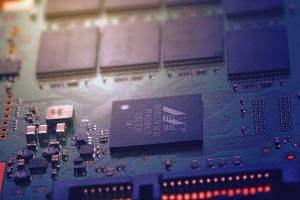
As the demand for generative AI technology continues to rise, industry giants, including Microsoft, Google, AWS, and OpenAI, are exploring the development of their own custom chips tailored for AI workloads. Contrary to popular belief, the primary driver behind this push isn't chip shortages but rather a strategic shift toward optimizing the efficiency and cost-effectiveness of processing generative AI queries.
Speculation has swirled around efforts by OpenAI and Microsoft to develop custom chips for handling generative AI tasks, with Microsoft collaborating with AMD on a project codenamed Athena and OpenAI rumored to be eyeing potential acquisitions to bolster its chip-design capabilities. In the meantime, Google and AWS have already introduced their own chips for AI workloads in the form of Tensor Processing Units (TPUs) for Google and AWS' Trainium and Inferentia chips.
So, what's motivating these companies to delve into custom chip development? Analysts and experts point to two key factors: the cost of processing generative AI queries and the efficiency of existing chips, primarily Graphics Processing Units (GPUs). Currently, Nvidia's A100 and H100 GPUs dominate the AI chip market, but their efficiency in handling generative AI workloads is under scrutiny.
Nina Turner, a research manager at IDC, notes that GPUs may not be the most efficient processors for generative AI tasks, and creating custom silicon could potentially address this efficiency issue. GPUs, while highly effective for matrix inversion, a fundamental mathematical process in AI, are costly to operate. The pursuit of silicon processors optimized for specific AI workloads could help alleviate cost-related concerns.
Custom silicon, according to Turner, has the potential to reduce power consumption, improve compute interconnectivity, and enhance memory access, ultimately lowering query costs. For instance, OpenAI's operation cost for ChatGPT is roughly $694,444 per day, which translates to 36 cents per query, based on a report from research firm SemiAnalysis.
Furthermore, custom silicon provides the advantage of exerting control over chip access and designing elements tailored specifically for large language models (LLMs), thereby enhancing query speed.
This shift towards custom chip design is likened to Apple's approach to producing chips for its devices, where specialization trumps general-purpose processors. Despite the popularity of Nvidia's GPUs, they, too, are considered general-purpose devices. Custom chips could be the answer to optimizing performance for specific functions, such as image processing and specialized generative AI.
However, experts caution that developing custom chips is no easy feat. It involves significant challenges, including high investment requirements, lengthy design and development timelines, complex supply chain issues, a scarcity of talent, and the need for a sufficient volume of production to justify the expenditure.
For companies embarking on this journey from scratch, the process can take a minimum of two to two and a half years, with the scarcity of chip design talent causing delays. Several large tech companies have mitigated this challenge by either acquiring startups with expertise in chip development or partnering with experienced firms in the field.
Despite ongoing discussions about chip shortages, experts believe that the move towards custom chip development by companies like OpenAI and Microsoft is more about addressing inference workloads for LLMs, particularly as Microsoft continues to incorporate AI features into its applications. It appears that these companies have specific requirements that aren't met by existing solutions, and a specialized chip for inference workloads, which is more cost-effective and efficient than large GPUs, may be the solution.
Acquiring a major chip designer may not be a cost-effective approach for OpenAI, given the substantial expenses involved in designing and producing custom chips. Instead, experts suggest that OpenAI could explore the acquisition of startups with AI accelerators, a more economically viable option.
To support inferencing workloads, potential acquisition targets could include Silicon Valley firms like Groq, Esperanto Technologies, Tenstorrent, and Neureality. Additionally, SambaNova might be a suitable candidate if OpenAI is willing to transition away from Nvidia GPUs and adopt an on-premises approach, moving beyond a cloud-only paradigm.

The path towards achieving fully autonomous vehicles is a lengthy and intricate journey. Systems that incorporate cutting-edge technologies to enhance vehicle autonomy levels must undergo rigorous safety and durability testing before they can be integrated into vehicles meant for public roads. These systems, collectively referred to as Advanced Driver Assistance Systems (ADAS), encompass a complex network of power supplies, sensors, and electronics. The effectiveness of ADAS largely hinges on the precision of the sensing equipment and the speed and accuracy of the onboard autonomous controller's analysis.
Artificial intelligence (AI) plays a pivotal role in the functioning of autonomous vehicles, particularly in the context of onboard analysis. Market research firm IDTechEx's recent report on AI hardware at the network edge predicts substantial growth, with AI chips – specialized semiconductor components designed to efficiently handle machine learning tasks – projected to generate over $22 billion in revenue by 2034. Among various industry verticals, the automotive sector is anticipated to experience the most significant growth, with a compound annual growth rate (CAGR) of 13% over the next decade.
AI chips in automotive vehicles are typically situated within centrally located microcontrollers (MCUs), which are connected to sensors and antennae to form a functional ADAS. These onboard AI computing capabilities serve various purposes, including driver monitoring (for driver-specific adjustments, monitoring drowsiness, and responding to accidents), driver assistance (for object detection and steering/braking corrections), and in-vehicle entertainment (with onboard virtual assistants akin to those on smartphones and smart appliances).
Of these functions, driver assistance is the most critical, as it directly influences the level of autonomous driving a vehicle can achieve. The automotive industry's reference point for defining different levels of driving automation is the SAE Levels of Driving Automation, ranging from Level 0 (no automation) to Level 5 (full automation). Presently, the highest state of autonomy for private vehicles is SAE Level 2, with the transition to Level 3 representing a significant technological leap.
A variety of sensors, including LiDAR and vision sensors, installed in the vehicle collect crucial data, which is then processed by the central computing unit for steering and braking adjustments. Effective processing relies on extensive training of the machine learning algorithms employed by the AI chips. This training involves exposing the algorithms to large volumes of ADAS sensor data, enabling them to accurately detect, identify, and differentiate objects, as well as gauge depth of field and distinguish objects from their backgrounds. ADAS functions can be passive (alerting the driver through sounds, lights, or feedback) or active (making real-time adjustments for the driver), necessitating swift and precise calculations.
The development of System-on-Chips (SoCs) for vehicular autonomy is a relatively recent phenomenon. Still, it's evident that there is a trend toward smaller node processes, which enhance performance. As autonomy levels rise, more computational power is required, and this shift to smaller nodes aligns with this demand, effectively outsourcing the computational complexity to semiconductor circuitry.
However, transitioning to smaller nodes entails higher manufacturing costs, particularly with the use of advanced lithography machines. This cost factor poses a significant barrier to entry for many semiconductor manufacturers. Consequently, several Integrated Device Manufacturers (IDMs) are outsourcing high-performance chip production to foundries capable of advanced fabrication.
To ensure cost efficiency in the future, chip designers must consider scalability in their systems. As the adoption of autonomous driving levels progresses incrementally, designers who overlook scalability may incur escalating costs in increasingly advanced nodes. Hardware that can adapt to more advanced AI algorithms is essential.
While it will take some time before we witness vehicles with the highest levels of automation on the roads, the technology to reach that point is gaining momentum. The next few years are particularly crucial for the automotive industry as it navigates the path toward autonomous driving.

In the fast-paced world of technology and user experience (UX) design, trends and paradigms are constantly evolving. Just a few years ago, it seemed like we were in the midst of a "Golden Age" of UX, where design thinking and user-centered approaches were at the forefront of innovation. However, as we move further into the 21st century, some experts argue that the Golden Age of UX may be over, and we're entering a new era – the post-design era. In this article, we will explore this intriguing notion and what it means for the future of UX.
The Golden Age of UX
The Golden Age of UX, often associated with the early to mid-2010s, was marked by a heightened focus on user-centered design. During this period, businesses realized the importance of creating products and services that not only functioned well but also offered exceptional user experiences. Companies like Apple, Google, and Airbnb led the charge, setting the standard for intuitive interfaces and seamless interactions.Design thinking, a problem-solving approach that prioritizes empathy for the end-user, gained immense popularity. It was embraced not only by design professionals but also by executives and leaders across various industries who recognized its potential to drive innovation and customer satisfaction.Furthermore, advancements in technology, such as responsive web design and mobile apps, provided new opportunities for designers to create engaging and accessible experiences. It seemed that the UX community was in its prime, with design taking center stage in the business world.
The Post-Design Era
However, as the digital landscape has matured and design principles have become more widely adopted, some argue that we have entered a new era – the post-design era. What exactly does this mean?
Design as a Given: In the post-design era, good design is no longer a competitive advantage; it's an expectation. Users now assume that the products and services they interact with will be well-designed and easy to use. As a result, design becomes a baseline requirement, rather than a standout feature.
Integration of AI and Automation: The rise of artificial intelligence and automation has changed the way we think about UX. Machine learning algorithms can predict user behavior and adapt interfaces accordingly. Automation streamlines processes, reducing the need for traditional design interventions. This shift challenges designers to find new ways to add value beyond the automated aspects of UX.
The Evolution of User Expectations: Users today have higher expectations than ever before. They demand personalized experiences, instant gratification, and products that seamlessly integrate into their lives. This necessitates a shift in focus from traditional design aesthetics to the creation of holistic, end-to-end experiences.
Cross-disciplinary Collaboration: The post-design era emphasizes collaboration between designers and professionals from diverse fields, such as psychology, data science, and engineering. To create truly exceptional user experiences, designers must work in tandem with experts who can provide insights into user behavior, cognitive processes, and emerging technologies.
While it's tempting to proclaim that the Golden Age of UX is over, it's more accurate to say that UX design has evolved. The principles of user-centered design and design thinking remain essential, but they are no longer the sole focus. We now live in a world where good design is expected, and designers must continually adapt to new challenges and technologies.The post-design era presents exciting opportunities for UX professionals to innovate, collaborate, and push the boundaries of what's possible. While the landscape may have changed, the importance of creating meaningful and user-centric experiences remains as critical as ever. UX designers who embrace this evolution will continue to play a vital role in shaping the digital future, even if the "Golden Age" is behind us.
Chinese Automakers Steal the Spotlight at Munich Auto Show, Signaling German Economic Challenges

The 2023 Munich Auto Show has taken the automotive world by storm, not for showcasing the latest innovations from German automakers, but for the impressive lineup of Chinese cars that have dominated the event. This unexpected turn of events has raised eyebrows and underscored the economic challenges faced by the traditionally dominant German automotive industry.
The Chinese Invasion
China has been steadily making its mark in the global automotive industry over the past decade, with its automakers investing heavily in research and development, electric vehicles (EVs), and innovative technologies. The Munich Auto Show of 2023 serves as a testament to this progress, as several Chinese car manufacturers have made their presence felt in the heart of Germany's automotive industry.
Electric Dreams
One of the main reasons for the Chinese automotive industry's rise is its strong focus on electric vehicles. Companies like NIO, XPeng, and BYD have been steadily gaining traction in the EV market, both domestically and internationally. At the Munich Auto Show, they showcased their latest EV models, which not only impressed visitors with their sleek designs but also their impressive range, cutting-edge technology, and competitive pricing.
NIO, known for its premium electric SUVs, unveiled its flagship model, the ET9, which boasts a jaw-dropping 1,000 kilometers (620 miles) of range on a single charge. XPeng showcased its P7 sedan equipped with autonomous driving capabilities, while BYD presented its Tang EV, featuring a unique blade-battery technology that enhances safety and performance.
Competitive Pricing
One of the key advantages of Chinese automakers is their ability to offer high-quality vehicles at competitive prices. As the global auto industry increasingly pivots towards electric and sustainable transportation, the affordability of Chinese EVs becomes a significant selling point. At the Munich Auto Show, Chinese EVs were seen as genuine competitors to established German automakers like Volkswagen, BMW, and Mercedes-Benz.
Impact on German Automakers
The prominence of Chinese cars at the Munich Auto Show has certainly raised concerns within the German automotive industry. German automakers have long been synonymous with innovation, engineering excellence, and quality. However, their transition to electric mobility has been relatively slow, and they now face stiff competition from Chinese counterparts.
German automakers have been investing heavily in EVs and sustainable technology, but the pace of change has not matched the rapid advancements seen in China. This has put pressure on German manufacturers to accelerate their electric vehicle development and compete on both price and technology fronts.
The Chinese Challenge
China's automotive industry has several advantages that contribute to its rapid growth. These include strong government support for EV adoption, a vast domestic market, and the ability to scale production quickly. Chinese companies can leverage these advantages to enter international markets, offering consumers an enticing alternative to traditional German luxury and performance vehicles.
The 2023 Munich Auto Show has brought to light the growing influence of Chinese automakers on the global stage. With their cutting-edge electric vehicles and competitive pricing, they have underscored the economic challenges faced by the German automotive industry. This shift signals a need for German automakers to adapt quickly, focusing on innovation, sustainability, and affordability, in order to maintain their competitiveness in an evolving global market.While the rise of Chinese cars at the Munich Auto Show may have surprised many, it is indicative of a broader trend in the global automotive landscape. As the world transitions towards sustainable transportation solutions, the competition is fierce, and the winners will be those who can deliver the most compelling, accessible, and advanced vehicles. The Munich Auto Show of 2023 serves as a stark reminder that the automotive industry is evolving, and those who fail to adapt may find themselves left behind.
Navigating the Future: Trends in Contract Engineering for Automotive, Aerospace, and IT Sectors

In the dynamic landscapes of the automotive, aerospace, and IT industries, staying ahead of the curve is not just a choice but a necessity. The need for specialized skills, flexibility, and agility has driven a significant shift towards contract engineering in these sectors. As we step into September 2024, let's explore the prevailing trends in contract engineering and how they are shaping the future of these industries.
- Skills-On-Demand: One of the most notable trends in contract engineering is the demand for specific skills on a project-by-project basis. As automotive companies work on electric and autonomous vehicles, aerospace ventures into space exploration, and IT continuously evolves, the need for engineers with niche skills is on the rise. Contract engineers offer the flexibility to access these skills precisely when they are required, without the long-term commitment of hiring full-time staff.
- Gig Economy Integration: The gig economy is not just a buzzword; it's a reality in contract engineering. Highly skilled professionals are increasingly embracing the flexibility and autonomy that contract work provides. This trend is particularly prevalent in the IT sector, where developers, data scientists, and cybersecurity experts often prefer to work on a project basis. Recruitment consultancies are playing a crucial role in connecting these professionals with clients seeking short-term expertise.
- Rapid Technological Advancements: In aerospace and automotive, technology is advancing at an unprecedented pace. Whether it's electric propulsion systems, advanced materials, or autonomous navigation, these industries must adapt quickly. Contract engineers are instrumental in helping companies navigate these technological advancements, bringing in fresh perspectives and expertise for innovation and problem-solving.
- Global Talent Pool Access: Contract engineering has broken down geographical barriers. Companies in Sweden, Germany, and the Netherlands can now access a global talent pool. With the rise of remote work, it's easier than ever to collaborate with engineers from different parts of the world. This globalization of talent allows businesses to tap into a diverse range of skills and experiences.
- Compliance and Regulation Expertise: As industries become more complex, so do the regulatory environments. Contract engineers often specialize in compliance and regulation specific to their field. In sectors like aerospace, where safety is paramount, having access to experts who understand and navigate these regulations is crucial. Recruitment consultancies are increasingly providing compliance-focused solutions to ensure clients remain in adherence to industry standards.
- Sustainability and Green Engineering: In all three sectors, there is a growing emphasis on sustainability and green engineering. Contract engineers who specialize in environmentally friendly practices are in high demand. Whether it's designing energy-efficient IT infrastructure or developing eco-friendly automotive technologies, these professionals are driving industries towards a greener future.
In conclusion, the trends in contract engineering for the automotive, aerospace, and IT sectors are evolving rapidly. Companies that adapt to these trends by embracing flexibility, accessing global talent, and staying technologically competitive will be better positioned to thrive in these dynamic industries. Recruitment consultancies specializing in contract engineering play a pivotal role in connecting businesses with the right talent to achieve their project goals and stay ahead of the curve. As we look to the future, one thing is clear: contract engineering is here to stay, driving innovation and progress in these vital sectors.